





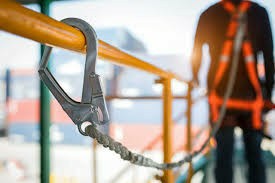
Mastering Workplace Safety: Your Guide to Integrating Abrasive Wheels Training
In industries where employees frequently work at elevated heights, implementing comprehensive safety training is not just a regulatory requirement; it is a fundamental component of workplace safety. 'Abrasive Wheels Training' is crucial for preventing accidents and ensuring all workers are equipped with essential skills and knowledge. In this guide, we will explore actionable strategies that businesses can adopt to effectively integrate Abrasive Wheels training into their company policies.
Understanding the Importance of Abrasive Wheels Training
Before diving into the integration process, it is essential to understand why 'Abrasive Wheels Safety' is critical:
- Legal Compliance: Many jurisdictions require businesses to provide safety training to reduce the risk of accidents.
- Accident Prevention: Proper training significantly lowers the chances of falls and related injuries.
- Enhanced Productivity: A well-trained workforce is more efficient and less prone to mistakes.
Steps to Incorporate Abrasive Wheels Training into Workplace Policies
Integrating 'Abrasive Wheels Certification' into your workplace safety policy involves several key steps:
1. Conduct a Comprehensive Risk Assessment
Before implementing training, conduct a thorough risk assessment to identify specific hazards associated with abrasive wheels within your operations. This assessment should include:
- Identifying risk factors based on the work environment.
- Assessing the tasks performed at heights and potential fall hazards.
- Evaluating existing safety measures to determine their effectiveness.
Document your findings to guide the development of tailored training programs.
2. Develop a Tailored Abrasive Wheels Training Program
Your training program should cater to the specific needs of your workforce. Elements to include are:
- Regular training sessions on safe practices and the use of safety gear.
- Hands-on demonstrations for practical understanding.
- Online options, such as a Abrasive Wheels Course Online, for flexible learning.
3. Implement Mandatory Refresher Courses
Even after initial training, continuous education is mandatory. Establish a schedule for refresher courses to ensure that workers remain proficient in safety practices:
- Review and refresh key safety techniques on an annual basis.
- Include updates on new regulations or safety equipment.
Refresher courses help keep safety protocols at the forefront of employees' minds, leading to a safer workplace.
4. Regular Internal Safety Audits
Incorporate regular internal audits to ensure compliance with safety policies:
- Assess ongoing training effectiveness.
- Inspect the adherence to safety protocols during actual operations.
These audits can provide valuable insights to amend policies or training methods as necessary.
5. Establish Compliance Monitoring
Maintain consistency in safety protocols through compliance monitoring. Track and document:
- Employee participation in Abrasive Wheels Certification.
- Completion rates for refresher courses.
Compliance data not only aids in regulatory adherence but can also highlight trends in training effectiveness and areas in need of improvement.
6. Foster a Culture of Safety
A safety-first culture starts at the top. Encourage management to model safe behaviors and prioritize ongoing education. Actions to promote this culture include:
- Regularly recognizing and rewarding safe work practices.
- Encouraging open discussions about safety concerns.
When employees feel valued and engaged in the safety process, it leads to greater adoption of safety policies.
Real-World Examples of Successful Implementation
Many organizations have embraced Abrasive Wheels training to great effect. For instance:
- Construction Companies: Many construction firms mandate the completion of the Abrasive Wheels Safety Course for all employees before they start on-site work. This approach has substantially reduced incidents related to falls.
- Maintenance Services: Organizations that provide roof maintenance have integrated online training programs, such as the Abrasive Wheels Online Course, to train their technicians, leading to improved safety compliance.
Conclusion: Prioritize Safety Today
Integrating Abrasive Wheels training into your organizational policies is paramount in fostering a secure work environment. By implementing structured risk assessments, offering refresher courses, conducting comprehensive audits, and establishing compliance monitoring, businesses can significantly mitigate risks associated with abrasive wheels.
Ready to prioritize safety in your workplace? Enroll your employees in certified Abrasive Wheels training today to meet safety standards and protect your workforce. For more information, reach out via email at [email protected].