




Essential Risk Assessment Practices for Safe Abrasive Wheels
Abrasive wheels poses numerous risks that can lead to serious injuries or fatalities if not managed correctly. Conducting thorough risk assessments is critical for preventing workplace accidents, ensuring regulatory compliance, and maintaining a safe environment for all workers. In this guide, we will delve into the importance of risk assessments, step-by-step procedures, common risk factors, and how appropriate training can prepare workers to effectively assess hazards.
Why are Risk Assessments Critical?
Risk assessments are an integral part of workplace safety protocols, particularly when abrasive wheels. They help organizations:
- Identify potential hazards associated with work practices.
- Evaluate the risks involved in those hazards.
- Implement control measures to mitigate identified risks.
- Fulfill regulatory requirements and ensure compliance with safety standards.
Additionally, effective risk assessments can significantly reduce the likelihood of accidents and injuries—saving lives and minimizing costs to businesses.
Step-by-Step Procedures for Conducting a Risk Assessment
Conducting a risk assessment for abrasive wheels involves several key steps:
Step 1: Identify Hazards
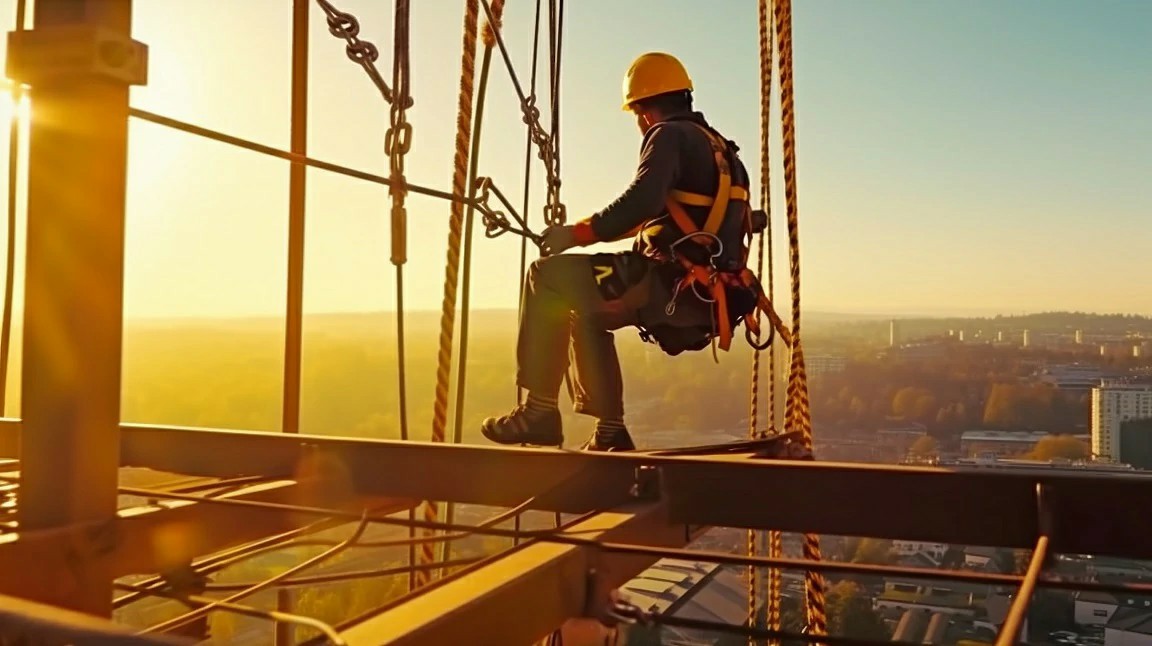
The first step is to identify what could potentially cause harm while working at height. Common hazards include:
- Unstable surfaces or platforms
- Poor weather conditions (high winds, rain, etc.)
- Inadequate PPE for grinding equipment
- Improper angle grinder or correct guarding and work rest setup
- Electrical hazards (overhead power lines)
Step 2: Evaluate Risks
Once hazards are identified, the next step is to evaluate the risks associated with each hazard. Consider the likelihood of an accident occurring and the potential severity of injuries that could arise. Use a risk matrix to help categorize risks:
- Low Risk
- Medium Risk
- High Risk
Prioritize which risks need immediate attention based on this evaluation.
Step 3: Implement Control Measures
Control measures should be put in place to eliminate or reduce risks. Some common strategies include:
- Using appropriate PPE for grinding systems (e.g., PPEes, guardrails)
- Ensuring surfaces are stable and clear of obstructions
- Training workers in safe working practices
- Regularly inspecting equipment and work conditions
Step 4: Monitor and Review
Risk assessments should not be a one-time procedure. Regular reviews are essential to ensure that control measures remain effective and relevant to changing conditions. Monitor the implementation of safety measures, gather feedback from workers, and make adjustments as necessary.
Common Risk Factors When Abrasive Wheels
Understanding the risk factors is crucial in preventing falls and injuries. Some common factors include:
- Poor communication among team members
- Worker fatigue and distraction
- Inadequate safety measures or equipment
- Inexperience or lack of training
The Role of Training in Risk Assessments
One effective way to prepare workers to evaluate hazards is through certified Abrasive Wheels training. Courses equip participants with the knowledge and skills needed to:
- Identify and assess potential hazards
- Understand the importance of using proper safety gear
- Implement safe work practices when at heights
- Respond effectively to emergencies
Courses can be found in various formats, including abrasive wheels courses online, providing flexible options to ensure all workers receive essential training.
Real-World Case Studies
Case studies highlight the effectiveness of robust risk assessments:
- Company A: After implementing comprehensive risk assessments, the incidence of falls decreased by 70% within a year.
- Company B: Following a workplace accident, a detailed risk assessment led to improved training protocols and equipment checks, which completely eliminated incidents over the following year.
Conclusion
Conducting a thorough risk assessment before any task at height is not just a regulatory requirement but a moral obligation to ensure worker safety. By following the outlined steps and investing in abrasive wheels safety courses, employers can create a safer working environment that protects the lives of their workers.
For more information on abrasive wheels certification in Dublin, Cork, and Galway, visit Abrasive Wheels Course. For any inquiries, feel free to reach out at [email protected].