




Comprehensive Overview of Abrasive Wheels: Types, Applications, and Safety Protocols
Abrasive wheels are vital tools in various industries, known for their efficiency in cutting, grinding, and polishing materials. Understanding the different types and their applications is essential for both safety and productivity. In this guide, we delve into the types of abrasive wheels available, their specific uses, the risks associated with each, and the importance of training in compliance with safety regulations in Ireland, particularly in key cities like Dublin, Cork, Galway, Limerick, and Waterford.
Types of Abrasive Wheels
Abrasive wheels can be categorized into several types based on their specific applications:
- Grinding Wheels: Primarily used for grinding solid materials, these wheels can be found in various shapes and sizes. They are commonly used in metalworking.
- Cutting Wheels: These thin wheels are designed for cutting metal, stone, and concrete with precision. They are often employed in construction and fabrication.
- Polishing Wheels: Used for finishing surfaces to a high shine, polishing wheels are essential in sectors like automotive detailing and jewelry making.
Abrasive Wheels Applications
The applications of abrasive wheels vary widely across different industries:
- Construction: Cutting and grinding concrete and masonry.
- Manufacturing: Used for shaping, finishing, and polishing metal components.
- Automotive: Essential for repairing and refurbishing parts.
- Woodworking: Sanding and shaping wood products.
Specific Risks Associated with Abrasive Wheels
Each type of abrasive wheel presents specific hazards:
- Grinding Wheels: Risks include wheel breakage, which can cause flying debris, and overheating, leading to potential burns.
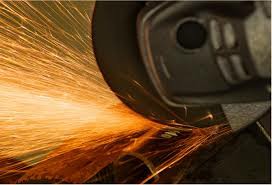
- Cutting Wheels: The thin nature of these wheels makes them susceptible to damage. Improper handling can lead to kickback, resulting in serious injuries.
- Polishing Wheels: Improper use can lead to slips, which may result in injuries from the equipment or the debris it produces.
Importance of Training to Prevent Accidents
Proper training ensures that workers understand how to handle abrasive wheels safely. Enrolling in a certified Abrasive Wheels Course in Dublin or other major cities in Ireland can enhance workplace safety. Key reasons for training include:
- Knowledge of Equipment: Operators learn the specific functions and limitations of each wheel type.
- Risk Awareness: Training helps identify potential hazards associated with each type of abrasive wheel.
- Compliance with Regulations: Adhering to Irish safety standards can avert legal issues and enhance corporate responsibility.
Conclusion
Understanding the various types of abrasive wheels, their applications, and the associated risks is crucial for ensuring safety in the workplace. Investing in certified abrasive wheels training in Dublin, Cork, Galway, Limerick, and Waterford not only promotes safe handling practices but also fosters a culture of safety and compliance across industries. Prioritize training to mitigate risks and enhance productivity. For more information on courses available, contact us at [email protected].